
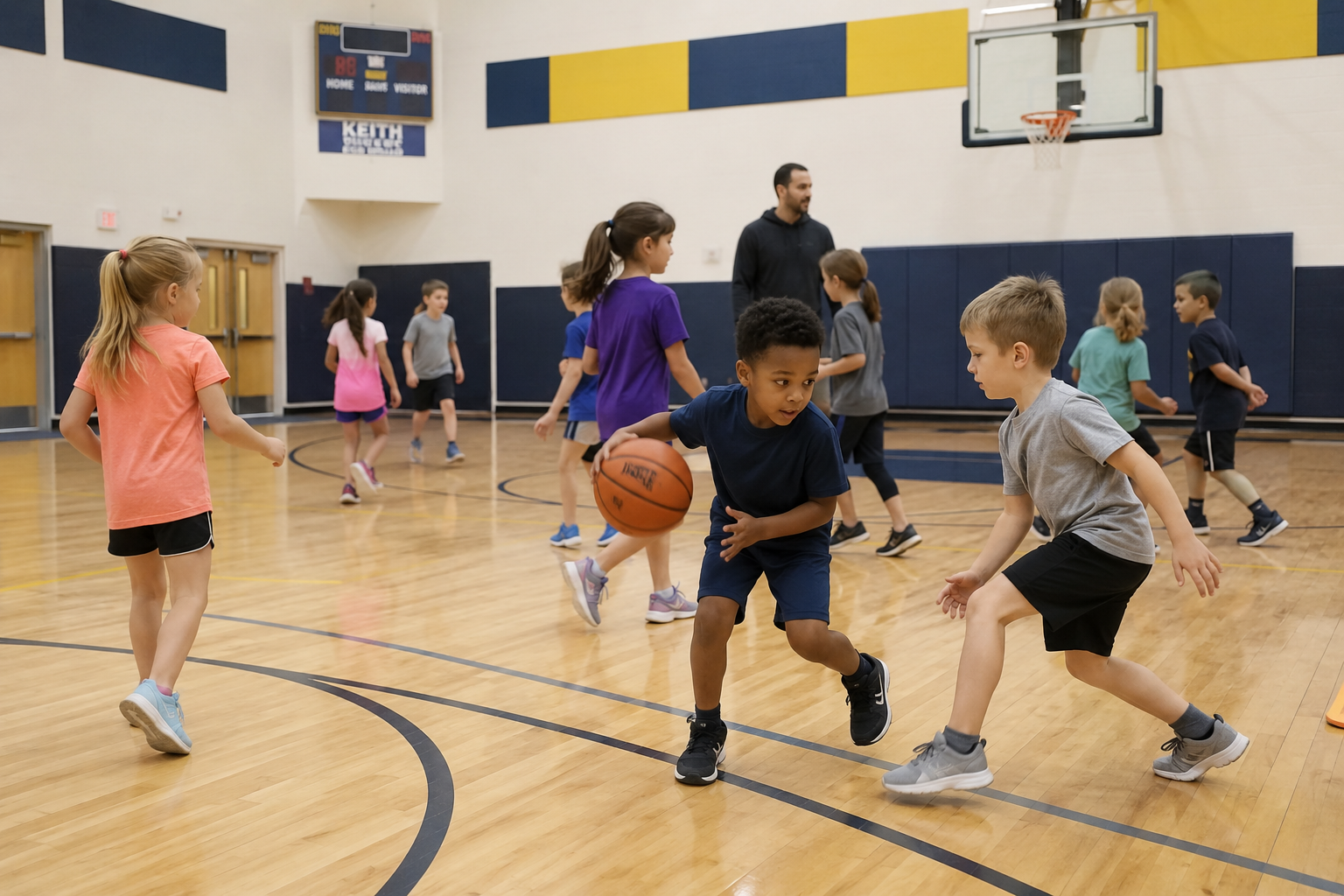
Afterschool child care is an important component of any school. When children are transitioned from their traditional school day to an afterschool environment, it provides a unique opportunity to cultivate a small group setting to extend learning, build relationships, and provide a unique experience for many students. Here are six steps or keys to being an effective afterschool teacher:
- Successful afterschool teachers are well-organized: Organization is key. Be prepared, be ready. Children will quickly lose interest if you seem unorganized or they have to wait. Also, parents will lose confidence in you if you meet with them and seem unorganized. Always follow your daily schedule to provide consistency and predictability that some children require and spend time developing lesson plans keeping the needs and interests of your students in mind. Plan engaging activities that will keep children’s interest. Also, make sure to let these activities go for an appropriate amount of time. If it’s too short, then children might be frustrated and if it’s too long, children might get bored with it. Structure and organization are essential for effective afterschool programs. When children are left to entertain themselves, problem behaviors arise and teachers start to lose control of their classrooms. (See: Proverbs 29:15)
- Be physically active and be willing to get down on children’s level: Are you willing to get active and on the children’s level? Children love teachers that are willing to be with them instead of on the outside looking in. When you’re looking in from the outside, you become an ominous presence and an intimidating figure. Get in with the children on their activities, talk with them, share the experience with them, and bond with them. I heard a trainer say once and it stuck with me that there can be no discipline without relationship and it’s true: Hebrews 12:6 says, “For whom the Lord loves He chastens, and scourges every son whom He receives.” The Lord isn’t disciplining those who don’t know Him and don’t follow Him. He disciplines His children and part of our responsibility as teachers is to discipline or correct the children in our care. That’s impossible without building relationships with them.
- Communicating with parents is vital to the health of an afterschool setting: Teachers often freeze parents out of the educational process unintentionally, but it is truly a partnership. These are their children and if we want parents to buy in, we need to include them in the process. That starts with communication. There are many tools to communicate with parents, but afterschool workers have a unique opportunity: We have face time with parents and we have the opportunity to bridge the communication gap with the school directly to the parents. Make an effort to communicate with parents, let them know how their child is doing, and let them know how they can help at home. Simple greetings, small talk, and sharing positives about their child’s behavior can help build relationships with parents.
- Take the time necessary to explain rules to children: Never assume that children know the rules when they walk into your classroom. Different teachers have different methods and expectations. Take the time to communicate the rules of your classroom to your children at the beginning of the school year. Also, be sure to model the rules you expect to be followed. For example: If you don’t want children to sit on a table, then don’t sit on tables yourself (one of my bad habits with child-sized furniture). If you want children to treat others with respect, then treat them with respect. I could go on and on, but be a good role model of the expectations you have for your setting.
- Possess a gentle demeanor: Be loving, be kind to children. There’s no reason to be grouchy and angry at children. We aren’t drill sergeants, we’re teachers and we need to be gentle and caring for them. Remember: These children in elementary school range from 5 years old to 11 or 12 years old. They’ve only been alive for 5-12 years! If you’re like me, you have clothes older than that! They’re still very young and need nurturing and love. John 13:34-35 says, “34 A new commandment I give to you, that you love one another; as I have loved you, that you also love one another. 35 By this all will know that you are My disciples, if you have love for one another.” We have to love these children and show them the character of Jesus Christ through our words and our actions.
- Successful afterschool programs effectively bridge the gap between school and home: What I mean by this is afterschool programs provide academic support through homework help, learning activities, and by communicating with school staff to provide a direct support to the students in their care. Think about some of your families. I used to have families pick up close to 6pm, tell me they were off to practice or some extracurricular activity, and by the time they got home, it was bedtime. Factoring in homework to their busy schedule was a chore, but with our afterschool program, we were able to make the most of that time and support their child by helping with their homework, having them read to us, or providing practice time so that they could master skills. We saw tremendous results! We saw students that began the year two grade levels behind test out a grade level ahead of where they were, we saw test scores for particular students increase, we saw grades increase on report cards, and it was just because we made most of the opportunity we had. Colossians 3:23 says, “Work willingly at whatever you do, as though you were working for the Lord rather than for people.” It’s so easy to sit there and think, “Well, it’s the parent’s responsibility” and it is, but we’re there to help and that’s an opportunity we shouldn’t take for granted. Go the extra mile as if you are working for the Lord and not for people and it’ll change your perspective.
Afterschool care is an important component of the school day and following these steps can help you have a more structured and successful afterschool program and help you become a more successful afterschool teacher.
For tips on behavior management, check out our online course “Biblical Classroom Management.”